

The name
A god who could not see
Plutus was the Greek god of wealth. In the oldest telling he was born of a field, the son of the harvest goddess, and he wandered the world giving out riches. Zeus blinded him, so the story goes, because he kept giving to the good and skipping the wicked, and the king of the gods wanted fortune spread without favour.
Why a payment company would want that
A blind god of wealth is a strange thing to wish for. He cannot tell a good merchant from a bad one, a rich buyer from a poor one, a hometown from a faraway port. But that is exactly what a payment network should be. It should not care which chain your customer holds, which wallet they opened this morning, which country issued their passport or which bank declined them last week. It should take the coin, and it should pay the merchant.
Card networks were built the other way round. They decide who may sell what to whom, they hold reserves against you, and they let a buyer reverse a payment months after the goods arrived. Most of that is reasonable in a world of paper and post. On a public ledger where a payment is final in minutes, it is just friction with a fee attached.
What we do
We let a business accept Bitcoin, Ethereum, XRP, Solana and the major stablecoins the way it accepts a card: at online checkout, at the counter, by link, by API. We quote an exact amount in crypto against the invoice in euros, pounds or dollars, lock that rate for fifteen minutes, watch the network until the payment is final, and pay the merchant in their own currency the next business day. The merchant never holds a coin unless they choose to, and never carries a chargeback.
The price is three percent, all in. We think a payment method should cost one number, not a list.
What we believe
Final means final
A payment that has confirmed on chain is settled. We do not build a reversal window on top of a system whose whole point is that there is none.
The merchant carries no market risk
The rate is locked when the customer pays. If the market moves in the fifteen minutes it takes them, that is our problem to hedge, not yours to explain to your accountant.
One number on the bill
Three percent covers conversion, network fees, screening and settlement. There is no schedule of extras and no reserve held against you.
Compliance is not optional
Every incoming transaction is screened before it is credited. It costs us something on every payment, and it is why banks keep working with the merchants we serve.
Nothing to install for the buyer
Any wallet, any exchange, any hardware device that can send to an address will do. We never ask your customer to make an account with us.
Say what it is
Our demo is labelled as a demo. Our numbers are the numbers. When something costs extra, it says so before you confirm, not on the statement.
The coin
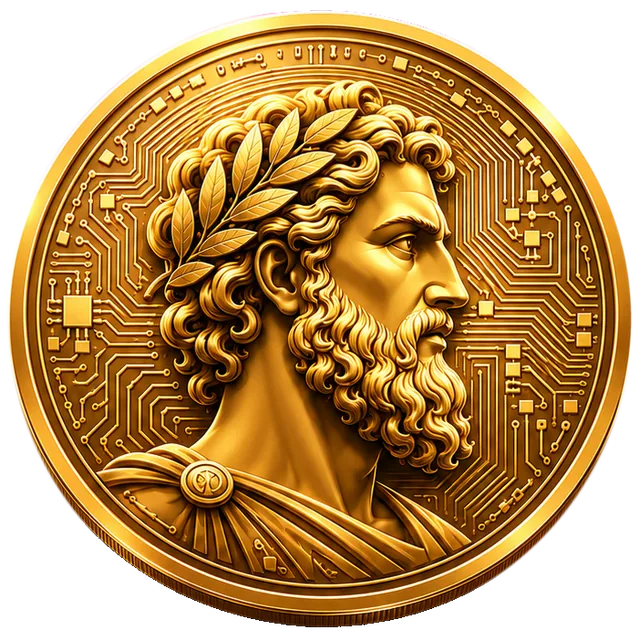
The mark on this site is a struck coin with the head of Plutus in profile, a laurel in his hair, circuit traces across the field. Old money and new money on the same face. We use it because a coin is the oldest interface for value there is: you do not need to read to know what it is for.
Where we are
We are based in the Netherlands and serve merchants across the European Economic Area and the United Kingdom, with more markets opening as licensing allows. Write to info@plutuscrypto.com and a person answers.
See it take a payment
The demo runs the real flow in your browser, with a QR code you can scan.